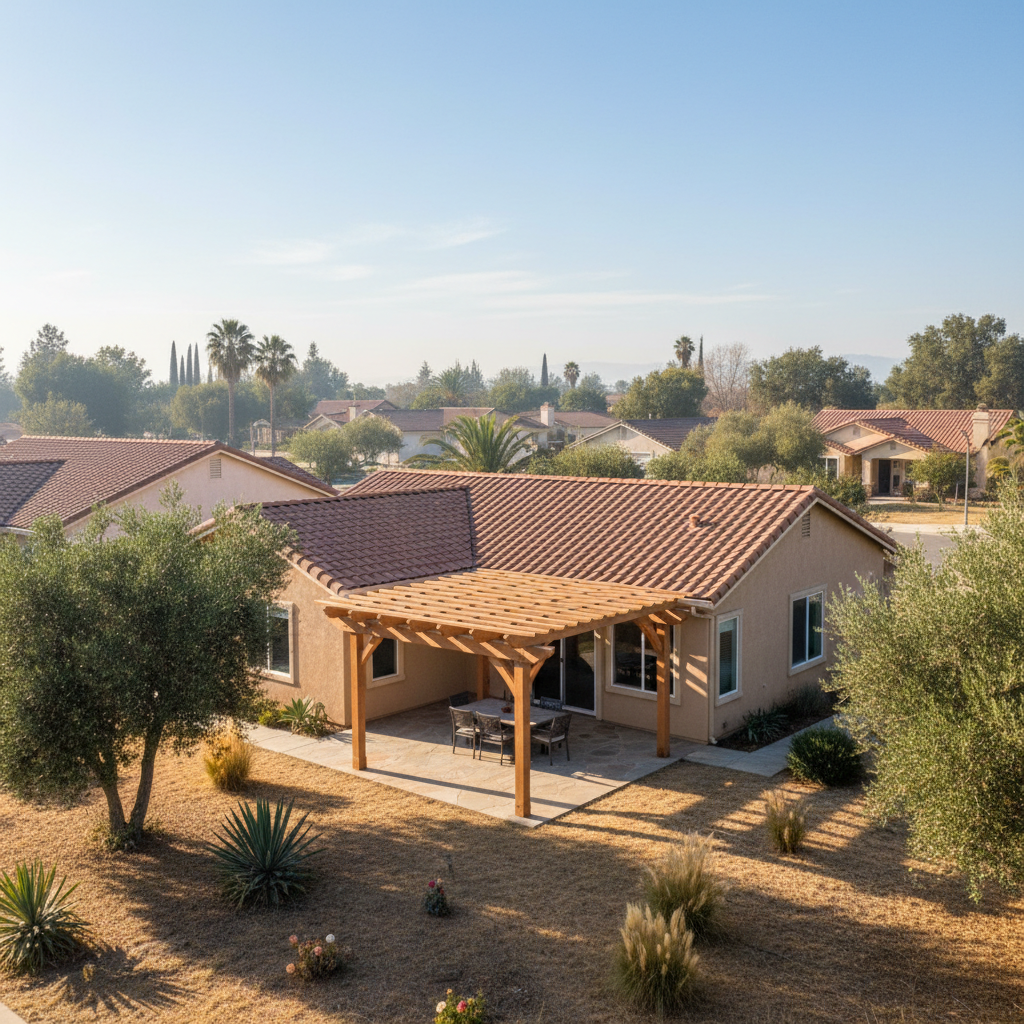
Do You Need a Permit for Your Modesto Pergola?
So, you're dreaming of a new pergola, huh? Great idea. They're fantastic for adding shade, defining an outdoor living space, and really boosting your home's curb appeal. But before you get too far into picking out the design and materials, there's one really important question you need to ask: Do I need a permit for this in Modesto?
The short answer, like with most things involving city hall, is: it depends. Generally, for most standard pergolas, yes, you're going to need a permit. The City of Modesto, like most municipalities, has regulations in place to make sure structures are built safely and meet certain standards. This isn't just red tape; it's about protecting your investment and ensuring your property value.
Now, I've seen folks try to skip this step, especially for smaller, freestanding pergolas. And sometimes, they get away with it for a while. But if a neighbor complains, or if you ever go to sell your house, an unpermitted structure can become a real problem. It can delay a sale, force you to get it permitted retroactively (which is often more expensive and complicated), or even make you tear it down. Trust me, it's not worth the hassle.
When a Permit is Usually Required
Here's the general rule of thumb for Modesto and Stanislaus County: if your pergola is going to be attached to your house, or if it's over a certain size (typically 120 square feet for detached structures, but always check the current city code), you'll almost certainly need a building permit. This applies whether it's wood, vinyl, or aluminum.
Why the size limit? A larger structure, even if freestanding, can have implications for property line setbacks, drainage, and even wind loads. We get some pretty gusty winds here in the Valley, especially during those spring and fall transitions, so structural integrity is a big deal. The city wants to make sure that pergola isn't going to become a kite in the next big storm.
Even if your pergola is smaller than the typical 120 sq ft threshold, if it has any kind of solid roof or is enclosed, it's very likely going to need a permit. The key is usually whether it's considered a 'roofed structure' or just an 'open-air shade structure.' Most pergolas, with their open lattice or louvered tops, fall into the latter, but size still matters.
The Permitting Process: What to Expect
Okay, so you've accepted that a permit is probably necessary. What's next? It's not as scary as it sounds, especially if you're prepared. Here's a quick rundown of what you'll usually need:
- Plans: You'll need detailed drawings of your proposed pergola. This includes dimensions, materials, foundation details, and how it connects to your house (if it does). These don't have to be architect-level blueprints for a simple pergola, but they need to be clear and accurate.
- Site Plan: A drawing of your property showing where the pergola will be located in relation to your house, property lines, and any other existing structures. This helps the city check for setbacks.
- Application Form: A standard form from the City of Modesto Planning Department.
- Fees: There are always fees, of course. These vary based on the project's valuation.
Once you submit everything, the city will review your plans. They're checking for things like structural integrity, proper setbacks from property lines (you don't want your new pergola encroaching on your neighbor's yard, especially in some of the older, tighter neighborhoods around La Loma or College Area), and compliance with local zoning ordinances. They might ask for revisions, which is normal. Once approved, you'll get your permit, and then you can start building!
Why Local Expertise Matters
This is where working with a local contractor like Modesto Deck Solutions really pays off. We've been through this process countless times. We know the City of Modesto's building codes inside and out. We know what they look for in plans, what common pitfalls to avoid, and how to make sure your project sails through the permitting process as smoothly as possible.
We can help you with the design, draw up the necessary plans, and even handle the permit application for you. It takes a lot of the guesswork and stress out of your hands. Plus, we're familiar with the local soil conditions – that hardpan clay we've got in a lot of areas around here means you can't just dig a shallow hole for your posts and call it a day. Proper footings are crucial for stability and longevity.
Don't let the permit process deter you from getting the outdoor space you want. It's a necessary step to ensure your project is done right, safely, and legally. Get it done upfront, and you'll enjoy your beautiful new pergola for years to come without any worries.